How Does a Commercial Solar PPA Work in Ireland?

For Irish businesses looking to reduce energy costs and carbon emissions, commercial solar can offer significant long-term benefits. However, the upfront cost of purchasing and installing a large solar PV system may not suit every organisation.

A solar Power Purchase Agreement, commonly known as a PPA, provides an alternative way for businesses to access renewable electricity without funding the installation themselves.

Under a commercial solar PPA, a solar provider finances, installs, owns and operates the solar PV system. The business then purchases the electricity generated by the system at an agreed rate for a defined contract period.

What Is a Commercial Solar PPA?

A commercial solar PPA is a long-term agreement between a business and a solar energy provider. 

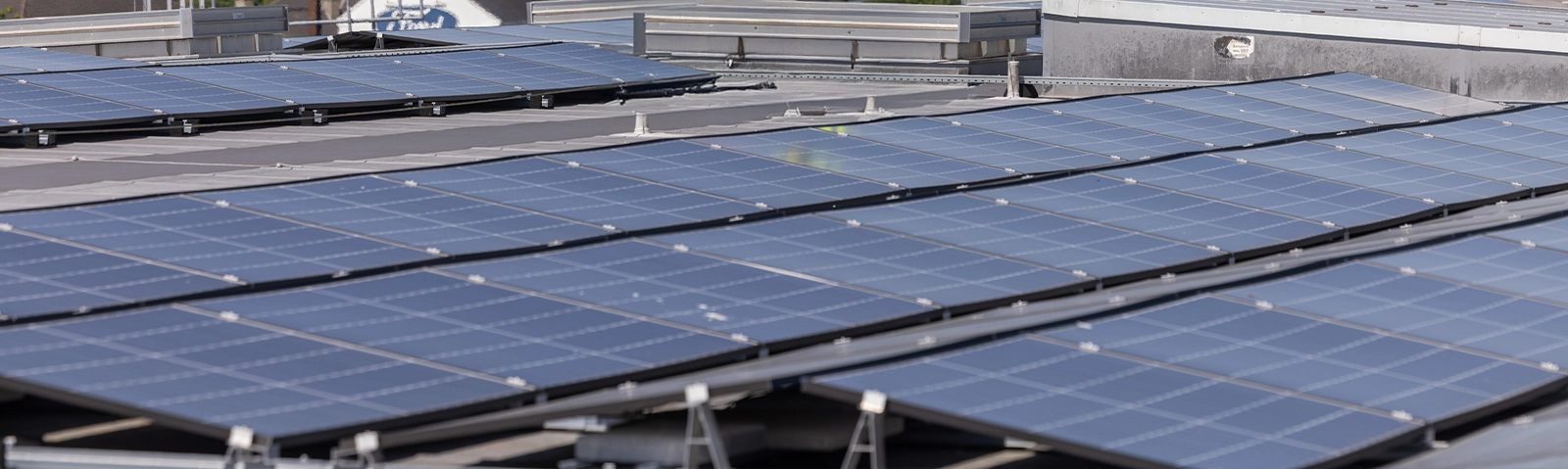
The solar provider installs a solar PV system on the business’s rooftop, car park or available land. Instead of buying the system, the business agrees to purchase the electricity it generates. 

The PPA electricity rate is normally agreed in advance and is designed to offer greater price certainty than purchasing all electricity from the grid. 

This allows businesses to benefit from on-site solar generation while avoiding a significant upfront capital investment. 

How Does a Solar PPA Work?

The commercial solar PPA process generally involves six key stages.

1. Energy and Site Assessment  

The solar provider begins by reviewing the business’s electricity consumption, operating hours and existing energy costs.

The available rooftop, car park or land area is also assessed to determine how much solar capacity can be installed. Structural suitability, planning requirements, grid connection considerations and the condition of the roof may also need to be reviewed.

This information is used to design a commercial solar system that matches the site’s energy demand as closely as possible.

2. Solar System Design

Following the assessment, the provider develops a proposed solar PV design.

The proposal will typically include:

  • The size of the solar installation
  • Estimated annual solar generation
  • The percentage of electricity demand that could be supplied
  • Forecast energy savings
  • Estimated carbon reductions
  • The proposed PPA electricity rate
  • The length of the agreement

The strongest PPA projects usually have high levels of on-site electricity consumption during daylight hours. This allows the business to use more of the solar electricity as it is generated.

3. The PPA Contract Is Agreed

The business and solar provider then enter into a long-term Power Purchase Agreement.. 

Commercial solar PPA terms can vary depending on the size of the installation, the site, electricity consumption and the funding structure. Agreements frequently run for an extended period because the provider needs sufficient time to recover the cost of developing, installing and maintaining the system. While there is no fix duration and contact conditions will may vary according to the needs and individual business conditions, typically, commercial solar PPA agreements are made for a period of 10-15 years. 

4. The Provider Funds and Installs the System

Once the agreement is finalised and all required approvals are in place, the solar provider arranges the funding, procurement and installation of the system. 

Because the provider funds the project, the customer can introduce commercial solar without using its own capital budget for the installation. 

The solar panels generate electricity whenever there is sufficient daylight. Solar PV is well suited to Ireland and continues to generate electricity during cloudy or overcast weather, although output changes depending on daylight and weather conditions. 

5. The Business Purchases the Solar Electricity

Once operational, the solar energy is supplied directly to the business. 

A meter records how much energy the solar PV system generates. The business is then billed for the electricity it uses at the rate agreed in the PPA. 

When the solar system is not producing enough energy to meet the site’s full demand, the business continues to import the balance from its existing electricity supplier. 

For example, if a facility requires 1,000 units of electricity during a certain period and the solar system supplies 300 units, the remaining 700 units will generally come from the grid. 

The PPA does not normally entirely replace the company’s existing electricity supply contract. It reduces the amount of grid electricity the business needs to purchase. 

6. The Provider Maintains the Solar System

During the agreement, the solar provider typically remains responsible for monitoring, operating and maintaining the system, which is usually discussed at the beginning, alongside the contract, as the owner of the asset. 

What Are the Benefits for Companies in doing a Commercial Solar PPA?

No Major Upfront Investment

The solar provider funds the installation, allowing the business to preserve capital for other operational or strategic priorities. 

icon_lower-bills

Lower Energy Costs

The business purchases on-site solar energy at the rate agreed in the PPA. Depending on the contract and future grid prices, this can reduce overall electricity costs.  

Reduced Price Volatility

A long-term PPA can provide more predictable pricing for part of the business’s energy consumption. This can support budgeting and reduce exposure to changing and volatile – now more than ever – wholesale energy prices.  

icon_sustainability

Reduced Carbon Emissions

Using electricity generated by on-site solar reduces the amount of grid electricity required by the facility and supports corporate sustainability and decarbonisation goals.

Guarantees of Origin usually requested as part of the Sustainability reporting, with PPAs are readily available and easily certified  

What Happens at the End of the PPA?

The available options will depend on the contract. At the end of the agreement, the business may be able to:

Purchase the solar PV system
Extend or renew the PPA
Take ownership of the system
Request that the provider remove the equipment

The expected condition, value and ownership of the solar installation at the end of the term should be agreed from the beginning.

Is a Commercial Solar PPA Right for Your Business?  

A PPA may be suitable for an Irish business that: 

  • Has high daytime electricity consumption 
  • Has a suitable roof, car park or area of land 
  • Wants to reduce energy costs and carbon emissions 
  • Does not want to fund the solar installation upfront 
  • Occupies or controls the site for the long term 
  • Is comfortable entering into a long-term energy agreement 

Companies with plans to move premises, replace their roof or significantly change their operations should consider how those plans could affect the agreement. 

Do you want to find out more about whether this is a solution right for you?

Check our case studies on how Tesco and Sanofi built their energy mix and advanced on their sustainability goals with PPAs

Tesco Case StudySanofi Case Study

Discover what we can do for your business

Tell us about your business needs and our experts will prepare the right solution for your company.